







Enrichment

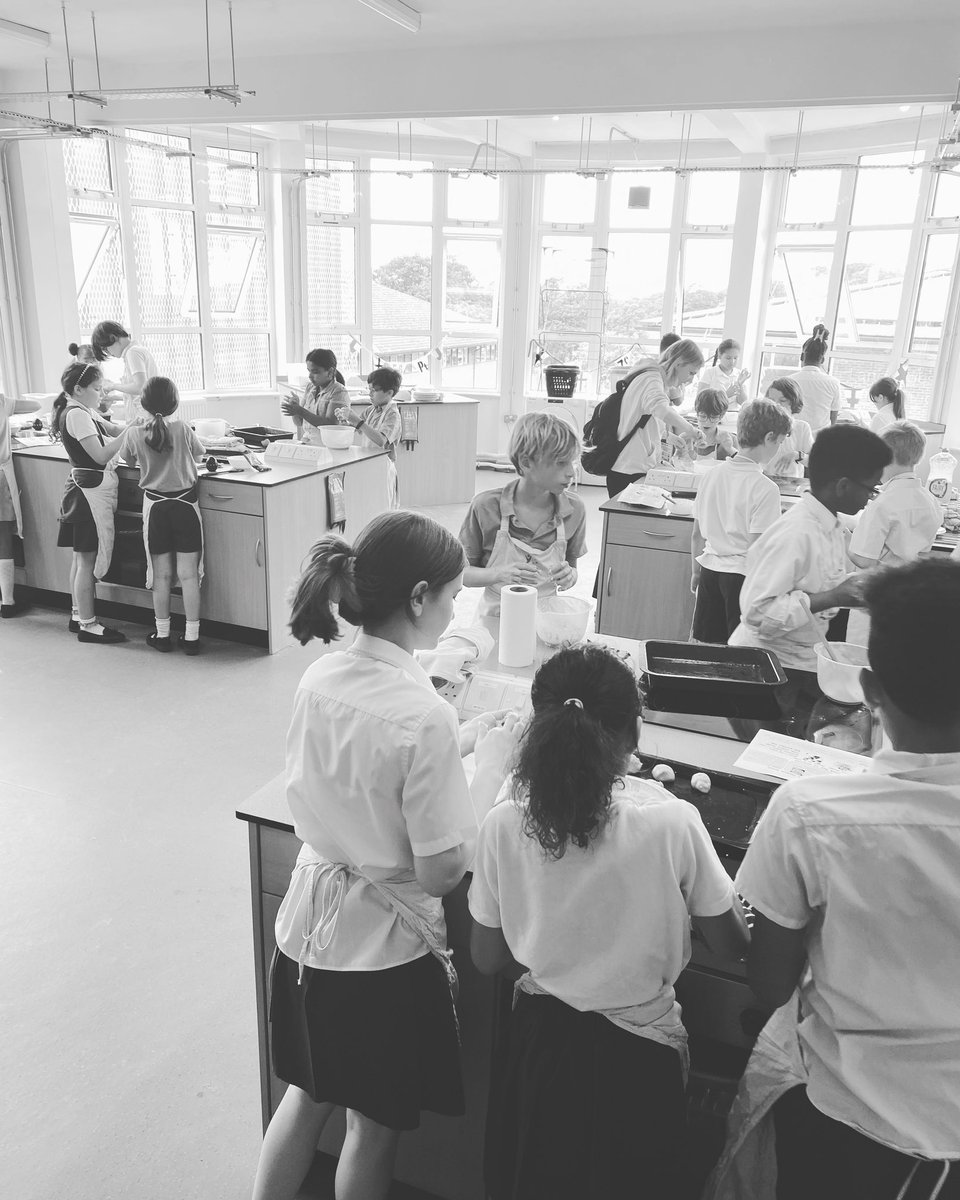
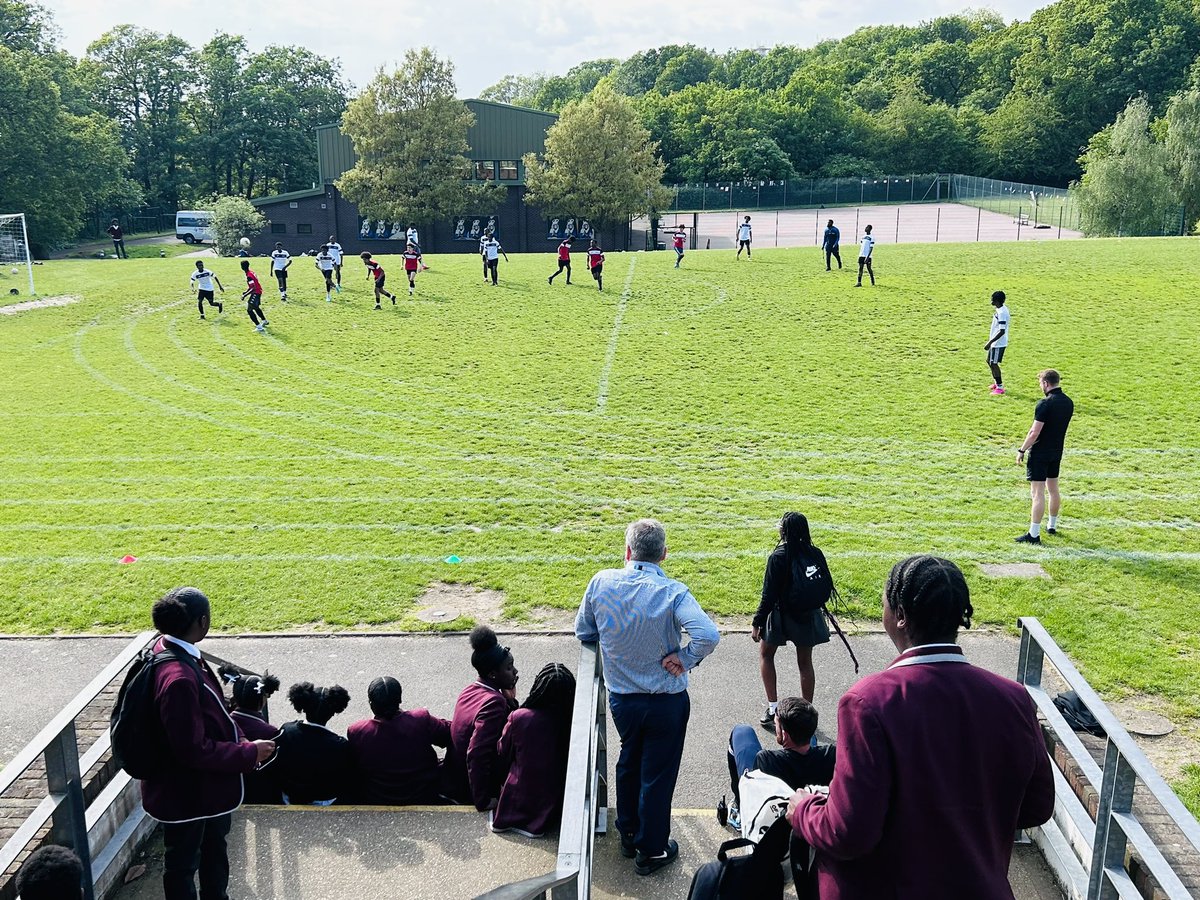
At Harris Academy Beulah Hill, students can enrich their week through a wide range of clubs and activities designed to develop lifelong interests and passions. Our enrichment programme offers something for everyone - from creative and academic pursuits to groups that foster friendship, confidence, and a strong sense of belonging.
We are proud of our inclusive culture, reflected in the diversity of our clubs, including those developed in partnership with our SEND department and our Unity Group, which promote collaboration and community across the school.
At Key Stage 4, clubs are specifically tailored to ensure maximum success, with students invited to attend subject-focused groups designed to enhance their progress and outcomes. Data is reviewed periodically, and invitations are adjusted accordingly to ensure every student has the opportunity to thrive.
There may be adjustments as the year goes on, so please check at the start of each half term for updates. For information about the teacher and the room, please speak to a member of the department in charge of the club.
If you have any questions or would like to explore opportunities to collaborate with our enrichment programme, please contact our Enrichment Lead, S. Shokir, at S.Shokir@harrisbeulahhill.org.uk. We welcome partnerships with external organisations to further enrich our students’ experiences and broaden their horizons.Current enrichment timetable can be found at the bottom of this page in 'page downloads' section.
Curriculum Enrichment: Autumn 2 Educational Visits
As part of our commitment to delivering a broad, ambitious and knowledge-rich curriculum, students in Years 7, 8 and 9 took part in a series of curriculum-linked educational visits during Autumn 2. These visits were carefully planned to strengthen curriculum understanding, deepen subject knowledge and develop cultural capital.
Year 7 – British Museum (History)
 Year 7 students visited the British Museum to support their History curriculum and to build strong chronological and cultural understanding. The visit enabled students to engage directly with primary sources and artefacts that link to both current and future units of study.
Students explored:
- Roman Britain – artefacts such as mosaics and coins to support understanding of life under Roman rule

- Anglo-Saxons and Vikings – including the Sutton Hoo burial finds
- Medieval Baghdad and the Islamic World – highlighting achievements in science, culture and trade
- The Mongol Empire – objects illustrating cultural exchange across Eurasia
 Students were also introduced to artefacts linked to future curriculum units, including the Tudors and Civil War, Mali and Mansa Musa, and the Aztecs and Incas, supporting curriculum coherence and long-term retention.
Year 8 – Natural History Museum (Geography)
The Year 8 visit to the Natural History Museum directly supported learning in Geography, particularly the ‘Angry Earth’  unit.
unit.
Through interactive galleries and real geological specimens, students developed a deeper understanding of:
• Rock types and the rock cycle
• Plate tectonics
• Earthquakes, volcanoes and tectonic hazards
The visit strengthened students’ ability to apply theoretical knowledge to real-world contexts and supported the development of geographical enquiry skills.
Year 9 – Science Museum (Science)
Year 9 students visited the Science Museum to enhance their understanding of key scientific concepts and to see how science and technology impact the modern world.
Students engaged with exhibits linked to:
• Energy, forces and motion
• Scientific innovation and technological change
• The role of science in shaping future careers and society
The visit encouraged curiosity, independent learning and critical thinking, supporting students’ scientific literacy and aspirations within STEM subjects.
T hese visits brought learning to life and helped students see how their classroom studies connect to the real world. By engaging with museums and national collections, students strengthened their understanding, built confidence in their knowledge and developed a wider appreciation of history, geography and science.
Students behaved exceptionally well and showed genuine curiosity and enthusiasm. These trips are a key part of our commitment to providing high-quality learning experiences both in and beyond the classroom.
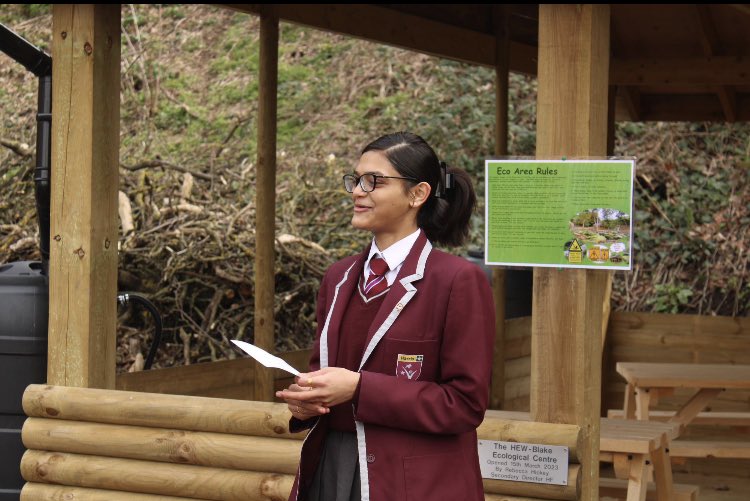
Geography students in the eco centre conducting their fieldwork



